Raise a Hallelujah: A Designer’s Embroidery Review
As an embroidery designer and product reviewer, I approach every new graphic with a specific question: will this actually stitch out well on real fabric? When evaluating Raise a Hallelujah, my assessment goes beyond the screen. While the provided SVG, DFX, EPS, PNG, and PDF files offer excellent versatility for digital crafting and print, translating this artwork into a tangible machine embroidery design requires a critical eye for structure, density, and end-use application. This review breaks down how this design performs when moved from a digital file to a finished handmade product.
First Impressions and Visual Mood
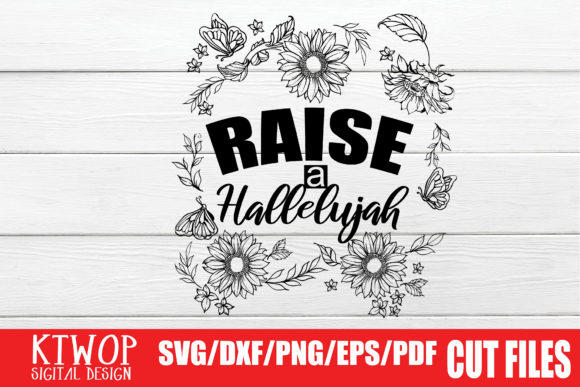
The immediate impact of Raise a Hallelujah is one of uplifting energy and spiritual warmth. Visually, it carries a bold yet reverent personality that suits both modern boutique aesthetics and traditional faith-based merchandise. The layout suggests a design that commands attention without being overwhelming, making it an ideal candidate for center-chest placement or back-of-garment statements. As a piece of graphics art, the lines appear clean, which is a promising sign for digitizing. However, because photos on the example are not included in this listing, I must rely on the vector integrity of the provided formats to judge its potential. The absence of reference photos means you, as the maker, have creative freedom but also the responsibility to verify that the line weight translates to appropriate stitch types like satin stitch borders or fill stitch interiors.
Real-World Application: The Custom Sweatshirt Test
To truly evaluate this asset, I mentally placed Raise a Hallelujah onto a heavyweight cotton fleece sweatshirt, a staple for any Etsy seller or small shop product line. In this scenario, the design needs to hold its own against the texture of the fleece while remaining soft enough for comfortable wear. For a custom apparel project like this, I would envision converting key elements of the graphic into an applique design to reduce stitch density and add tactile interest. Using a cotton twill or felt applique for the main lettering or iconography would allow the phrase to pop visually while keeping the garment lightweight.
If stitching directly without applique, the design would serve beautifully as a unisex ministry hoodie or a personalized gift for a church event. The mood fits perfectly with holiday embroidery collections or baptismal gifts. For a tote bag design, the bold nature of the graphic ensures readability from a distance, which is crucial for craft fair products where visual recognition drives sales. The versatility here is high; it bridges the gap between personal devotion and commercial retail appeal.
Fabric Considerations and Technical Caution
While the aesthetic is strong, practical execution depends heavily on your substrate. Raise a Hallelujah will perform differently across various materials, and knowing where to use caution is vital for professional results.
- Stretchy Knits: If using this for baby embroidery or lightweight t-shirts, you must account for push and pull distortion. The design likely requires a cut-away stabilizer to prevent puckering around detailed corners or lettering.
- Textured Fabrics: On tea towels or linen pillow covers, fine details may get lost in the weave. You may need to increase the underlay or simplify small elements of the digital embroidery file to ensure clarity.
- Curved Surfaces: For cap embroidery, verify the aspect ratio. A wide layout might distort on a curved brim or front panel. Always test the hoop size compatibility before committing to a production run.
- Dark Fabrics: Since the listing notes that photos are not included, test thread colors on dark backgrounds first. High contrast is essential for the message to be legible. White or metallic threads often elevate the "hallelujah" theme effectively.
Elevating Product Value and Customer Trust
For creative entrepreneurs and apparel decorators, the quality of your stitch-out directly correlates to customer trust. A clean, well-executed version of Raise a Hallelujah signals professionalism. When a buyer sees crisp edges and balanced stitch density, they perceive higher value in the handmade product. Conversely, poor registration or thread breaks caused by incompatible file conversion can damage your brand reputation.
This design asset has strong potential for building brand consistency across multiple product lines. Imagine offering a matching set: a nursery wall art print (using the PDF/PNG) alongside a coordinating baby blanket (using the SVG/DXF for cutting or stitching). This cross-medium cohesion appeals to buyers looking for comprehensive themed decor. Furthermore, for those selling digital products or printable mockups, the inclusion of vector formats allows you to create professional marketing materials that accurately represent what the final embroidered patch or garment will look like, reducing return rates and increasing buyer engagement.
Essential Designer Notes Before Stitching
Because this listing provides source graphics rather than pre-digitized machine files, your role as the embroiderer is pivotal. Here are my non-negotiable steps for using Raise a Hallelujah safely and effectively:
- Verify Compatibility: The note explicitly states to check file compatibility with your software. Ensure your digitizing program imports the SVG or DXF cleanly before purchasing. Not all vector files translate automatically to stitch paths.
- Digitize with Intent: Do not rely on auto-digitize features alone. Manually assign stitch types. Use running stitch for delicate details, satin stitch for borders, and fill stitch for larger areas to optimize the embroidery project outcome.
- Test on Scrap Fabric: Never stitch a final product without a test run. Check for gaps, registration issues, or excessive density. Adjust your stabilizer choice based on this test.
- Review Licensing: Confirm whether your purchase includes commercial embroidery rights. If you plan to sell finished items or use the design in a craft business, ensure you are compliant. The listing mentions "Photos on example are not included," implying you are buying the art, not necessarily a licensed stitch file.
- Mockup Validation: Create black and white mockups to test contrast. Sometimes a design looks great in color but fails in tonal value, which matters for monochromatic embroidery projects.
Final Verdict for Makers and Sellers
Raise a Hallelujah represents a high-potential asset for the thoughtful maker. It offers the raw materials necessary to create meaningful, marketable goods, provided you apply technical embroidery expertise. Its strength lies in its emotional resonance and format flexibility, allowing it to transition from a digital graphic to a cherished personalized gift or a best-selling boutique item. By respecting the technical requirements of stitch density, fabric texture, and proper stabilization, you can transform this design into a professional-grade product that honors both the message and the medium. Always remember that in the world of crafts and graphics, the final quality is determined not just by the file you buy, but by the skill you bring to the hoop.