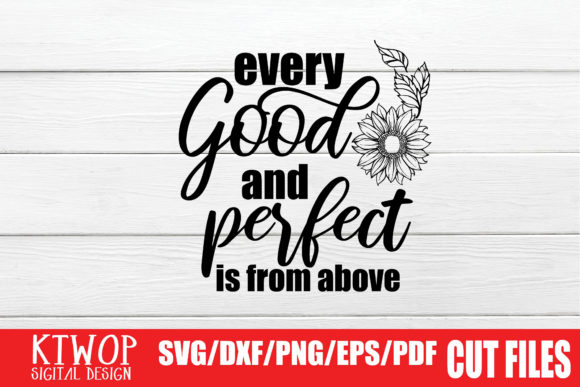
Every Good and Perfect is from Above: A Designer’s Review
When evaluating a new machine embroidery design for my studio, I look beyond the digital preview to imagine how the artwork will translate into physical thread. Every Good and Perfect is from Above is a phrase that carries significant weight in the faith-based and inspirational niche, but as an experienced designer, my primary concern is always technical execution and commercial viability. This review breaks down how this specific graphic performs when moved from screen to fabric, offering practical insights for Etsy sellers, apparel decorators, and makers who need reliable design assets.
First Impressions and Visual Mood
The typography and layout of Every Good and Perfect is from Above immediately suggest a serene, uplifting aesthetic. Unlike bold, aggressive sports graphics or dense vintage illustrations, this design relies on balance and legibility to convey its message. As a digital embroidery file, it appears clean, which is a promising sign for stitch-out quality. The mood is distinctly gentle, making it a natural fit for nursery decor, prayer journals, or meaningful personalized gifts rather than high-contrast streetwear.
For those working in the Crafts category, this graphic offers versatility. Because the product includes SVG, DFX, EPS, PNG, and PDF formats, it serves dual purposes. You can use the vector files for vinyl cutting or sublimation and rely on the PNG for printable mockups. However, for embroidery specifically, the line work suggests opportunities for both satin stitch outlines and delicate running stitch details. The visual personality feels timeless, avoiding trendy fonts that might date your finished product within a season.
Real-World Application: Stitching a Custom Tote Bag
To truly understand the value of this design, I mentally walked through a recent client request for a custom embroidered tote bag intended as a church group gift. Canvas totes are unforgiving; they have texture, and poor stitch density can cause letters to sink and disappear. When applying Every Good and Perfect is from Above to this scenario, several practical considerations emerged.
First, the scale matters. On a standard 15x15 inch tote, centering this design requires careful hooping. If the lettering is too small, the satin stitch columns may become too narrow to anchor properly in the canvas weave. Conversely, if scaled too large without adjusting stitch density, the design could become bulletproof and stiff. For this project, I would recommend testing the design at 70% and 100% scale on scrap canvas with a medium-weight cutaway stabilizer. This ensures the text remains crisp without distorting the bag's structure.
This real-life test highlights why checking compatibility and performing test stitches is non-negotiable. The provided files are excellent starting points, but every machine and fabric combination behaves differently. A successful handmade product depends on these adjustments, not just the quality of the original Graphics file.
Best Use Cases for Commercial and Personal Projects
Based on the design’s characteristics, Every Good and Perfect is from Above excels in specific applications where clarity and sentiment drive sales.
- Baby Embroidery: The gentle nature of the phrase makes it ideal for baby blankets, bibs, and christening gowns. Ensure you use soft thread colors and appropriate backing to prevent scratchiness against sensitive skin.
- Sweatshirt Embroidery: Left-chest placement on crewnecks is currently trending. This design fits beautifully in a 4x4 hoop size for subtle branding, though you must account for the stretch of fleece fabrics by using adequate stabilizer.
- Holiday Embroidery: While versatile year-round, this design shines during Easter and Christmas seasons. It works well on tea towels, pillow covers, and table runners where the message aligns with seasonal gatherings.
- Etsy Listings and Digital Products: Since PNG and PDF files are included, sellers can create professional printable mockups without needing to stitch out every color variation. This saves time and materials while maintaining buyer trust through accurate visual representation.
For small shop products, consistency is key. Using this design across multiple items—like matching aprons and oven mitts—creates a cohesive collection that encourages bundled purchases. The clean lines ensure it looks professional whether stitched on linen, cotton, or denim.
Navigating Technical Limitations and Fabric Choices
No design is universal, and knowing where Every Good and Perfect is from Above might struggle is as important as knowing where it succeeds. As a reviewer, I advise caution in the following scenarios:
Textured and Stretchy Fabrics
If you plan to use this on terry cloth towels or ribbed knitwear, the detail level may be compromised. Fine serif fonts or thin connecting lines can get lost in the pile of terry cloth. In these cases, consider adding a knockdown stitch layer beneath the design or simplifying the artwork slightly if your software allows. Always verify that the stitch density matches the fabric texture; high-density fills on lightweight knits will cause puckering, while low-density satin stitches on thick fabrics will lack coverage.
Small Hoop Sizes and Tiny Lettering
While the design likely scales well, reducing it below a certain threshold risks structural failure. Satin stitches narrower than 1mm often break needles or fail to lock. If your hoop size restricts you to a miniature version, check the smallest text elements. If they are illegible or structurally unsound at that size, opt for a different placement or a simplified icon instead. Never sacrifice readability for the sake of fitting a hoop.
Dark vs. Light Backgrounds
Thread color contrast dictates success. White thread on white fabric creates an elegant tone-on-tone look but requires perfect tension and density. On dark fabrics, ensure the design has sufficient underlay to prevent the fabric color from bleeding through lighter threads. Test black and white mockups to visualize contrast before committing to expensive materials.
Professional Notes for Makers and Sellers
Integrating Every Good and Perfect is from Above into your business workflow requires diligence. Here are my top recommendations for ensuring a premium finished product:
- Verify File Compatibility: The product note explicitly states to check compatibility with your software. Do not assume all SVG or EPS files import perfectly into every embroidery digitizing program. Open the file first to confirm paths are intact before scheduling production.
- Test Before Selling: Photos on the example are not included, meaning you cannot rely solely on the vendor’s marketing images. Stitch a sample on your intended substrate. Document your stabilizer choice, needle size, and thread colors for future reference. This builds confidence and reduces waste.
- Review Licensing Terms: Confirm whether you are permitted to sell physical embroidered items, digital files, or both. Respecting intellectual property protects your craft business reputation and prevents legal issues down the road.
- Optimize for Presentation: Use the included PNG for social media teasers and listing photos. High-quality digital previews combined with photos of your actual stitch-outs demonstrate transparency. Customers appreciate seeing both the idealized graphic and the realistic textile result.
- Maintain Brand Consistency: If this design becomes a staple in your shop, standardize your thread palette. Using the same shade of cream or gold across sweatshirts, patches, and tote bags reinforces brand recognition and makes your work instantly identifiable.
Final Thoughts on Design Value
Every Good and Perfect is from Above represents more than just a collection of vector shapes; it is a potential cornerstone for meaningful merchandise. Its strength lies in its adaptability and emotional resonance. For the embroidery designer or Etsy seller, success comes from respecting the technical requirements of the medium. By pairing this beautiful sentiment with proper stabilizer, thoughtful scaling, and rigorous testing, you transform a digital asset into a cherished heirloom or best-selling product. Always let practical judgment guide your creative process, ensuring that every stitch honors both the message and the maker’s craft.